

Blog list
Waypoint Psychological Services Blog
Learn more about psychological services care in our blog!

You spent months, maybe years, trying to get here. There were appointments, medications, blood draws, procedures, waiting, disappointments, and more waiting.
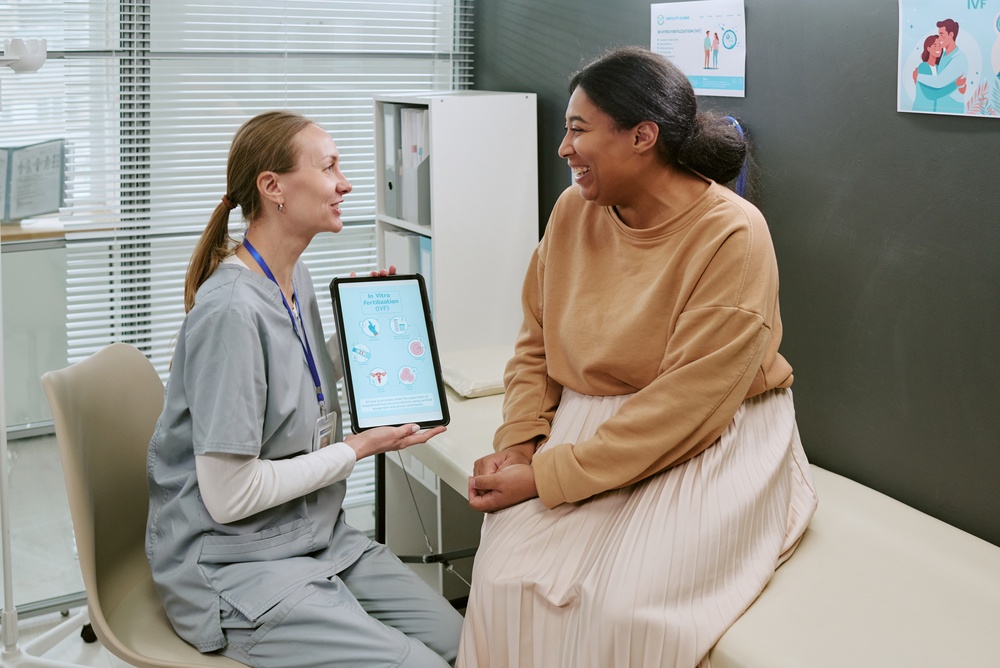
For many women, graduating from a fertility clinic after IVF brings a surprising mix of relief, excitement, anxiety, and even sadness. You may be incredibly grateful to have reached this milestone while also wondering how you are possibly supposed to go from being monitored so closely to waiting weeks between appointments.

If you asked most of the men working construction sites in Waldwick, coaching Little League in Wyckoff, or commuting into the city from a split-level in Ridgewood how they're doing, you'd probably get the same two-word answer: "I'm fine." It's practically a reflex. But underneath that reflex, a quiet and often unspoken struggle is playing out in a lot of homes across western Bergen County — and it rarely looks like what people expect anxiety or depression to look like.

As August arrives, families throughout Waldwick begin preparing for new teachers, unfamiliar schedules, academic demands, and changing social situations. Some nervousness before school starts is expected, but back-to-school anxiety can become more disruptive when worry begins affecting a child’s sleep, mood, behavior, or daily routine.

Postpartum depression can make a time that is often expected to feel joyful instead feel heavy, confusing, and isolating. For many new mothers in Waldwick, these feelings can include sadness, anxiety, guilt, irritability, or a sense of not feeling like themselves. At Waypoint Psychological Services, therapy for postpartum depression offers a supportive place to understand what you are experiencing and begin moving toward healing.

Play is the work of childhood. That line has been attributed to both Jean Piaget and Maria Montessori, and honestly, it holds up. The problem is that somewhere along the way, we stopped believing it — and our kids are paying the price.

Trauma does not always fade once the crisis is over. For many people, painful experiences can continue to affect sleep, relationships, mood, focus, and the way the body responds to stress. Even when life in Waldwick feels calm on the outside, trauma and PTSD symptoms can still show up in unexpected ways.

For many professionals in Waldwick, North Jersey, and the NYC metro area, returning to the office in 2026 feels more complicated than simply adjusting to a commute again. Meetings, small talk, networking, open office noise, and after-hours work events can leave even high-performing people feeling completely drained.

Domestic abuse can leave emotional, mental, and physical effects that last long after the unsafe situation has ended. Survivors may struggle with fear, shame, anxiety, intrusive memories, relationship difficulties, or a sense of feeling disconnected from themselves. EMDR therapy can offer a structured way to begin processing trauma without having to stay stuck in the same painful patterns.

I want to start with something that might surprise you: not all grief looks the same, and not all of it announces itself clearly.

Call Or Text

Office
71 Franklin Turnpike Suite 2-8
Waldwick, NJ 07463
Get Directions »
Questions?
Send Email
© 2026 Waypoint Psychological Services. All rights Reserved. Accessibility Statement - Privacy Policy - Sitemap
Powered by:
